

The domino sickness effect can hit hard- one employee gets sick and a week later many more is out. Damp, cold months from November through March turn offices into perfect incubators for cold and flu viruses, especially when everyone stays cooped up inside with the windows sealed shut.
Here’s the thing most business owners get wrong: they assume their nightly cleaning service handles this problem. The crew comes in, empties the trash, runs a vacuum around, wipes down some surfaces, and calls it a night. Your office looks clean in the morning. But looking clean and actually eliminating illness-causing germs? Those are two very different things.
Most commercial cleaning in Cincinnati focuses on appearance, not health. And during cold and flu season, that gap in approach can cost you thousands in lost productivity.
Why Your Office Becomes Full of Germs Every Winter
When it’s cold and wet outside, we seal up our buildings tight. Heat kicks on, windows stay closed, and the same air keeps circulating through the HVAC system. Everyone’s breathing the same air, touching the same surfaces, and sharing the same spaces day after day. Most people would be shocked to learn how long viruses actually survive on everyday surfaces. The flu virus can hang out on your desk, doorknob, or light switch for up to 48 hours after someone touches it. Common cold viruses are even tougher; they can survive on hard surfaces for up to a week under the right conditions.
Let’s walk through what happens on a typical morning. Sarah from accounting arrives feeling a bit under the weather but figures she can tough it out. She grabs the front door handle, presses the elevator button, swipes her key card, flips on the breakroom light, touches the coffee pot handle, and sits down at her desk. Within 10 minutes, she’s left traces of whatever virus she’s carrying on six different surfaces. Mike arrives 20 minutes later and follows basically the same routine. He touches the same door handle, same elevator button, same coffee pot. He’s now been exposed to Sarah’s germs before either of them has even checked their email. By lunchtime, five more people have gone through that same pattern. By week’s end, you’ve got an outbreak on your hands.
What Most Cleaning Services Get Wrong About Disinfection
Standard office cleaning services design their work to make your space look presentable. They vacuum the carpets, so you don’t see visible crumbs or dirt, empty the trash so bins don’t overflow, wipe down the conference table so you don’t see coffee rings, and mop the floors so they shine.
All of that matters for appearances and general upkeep. But none of it does much to stop viruses from spreading through your workplace. The problem starts with how many cleaning crews work. They’ll use the same rag to wipe multiple surfaces, essentially picking up germs from one spot and depositing them somewhere else. They might thoroughly clean the conference table but completely skip the light switches on the wall. They’ll scrub bathroom sinks until they gleam but barely touch the door handle everyone uses on their way out.
There’s also a fundamental misunderstanding about the difference between cleaning and disinfecting. Cleaning removes dirt you can see, crumbs, dust, stains, grime. Disinfecting kills microorganisms you can’t see- bacteria, viruses, pathogens. Your office can look absolutely spotless and still be covered in flu virus. You can’t see germs, so you need cleaning protocols specifically designed to eliminate them, not just protocols designed to make surfaces look nice. During cold and flu season especially, a good-looking office means nothing if your team keeps getting sick.
The Surfaces That Lead to Sick Days
Not every surface in your office poses the same health risk. Some get touched once or twice a day. Others get touched by dozens of people, sometimes hundreds of times daily. Those high-frequency touchpoints spread viruses most effectively, and routine cleaning often overlooks them.
Entry Points and Elevator Controls
Door handles and push plates are the obvious culprits. Everyone entering or exiting touches them, often multiple times per day. If you’re in a multi-tenant building, you’re also exposed to whatever everyone from the dentist office upstairs or the law firm down the hall is carrying around. One contaminated lobby door can expose hundreds of people in a single day.
Elevator buttons deserve special attention in any multi-story building. Different hands press those small buttons constantly and think about what most people do immediately after pressing an elevator button- they pull out their phone, touch their face, or grab their coffee. The concentrated contact area makes elevator panels particularly effective at transferring germs.
Lighting Controls and Breakroom Equipment
Light switches get touched constantly but rarely receive any cleaning attention. The conference room switch alone might get flipped on and off 15 or 20 times during a busy day by different people. Cleaning rounds easily miss these small surfaces, but they spread illness incredibly efficiently.
Breakroom equipment might be the worst offender in most offices. Coffee pot handles, microwave touchpads, refrigerator door handles, water cooler buttons, people touch these repeatedly right before they eat or drink. Think about that for a second. People touch a contaminated coffee pot handle, then immediately touch their cup, then put that cup to their mouth. You couldn’t design a better system for spreading germs if you tried.
Shared Technology and Bathroom Surfaces
Shared office equipment creates similar problems. The printer everyone uses, the copier buttons, the time clock, the fax machine, dozens of employees touch these throughout the day. How often does anyone disinfect the copy machine touchscreen? Probably never, unless a deliberate disinfection protocol includes it.
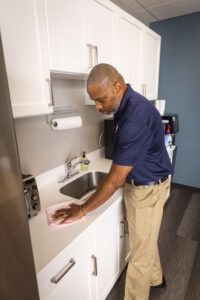
Bathroom surfaces obviously need rigorous attention, but cleaning often neglects some areas even in bathrooms that otherwise look clean. Faucet handles, soap dispenser buttons, paper towel lever, and especially the exit door handle- all of these need consistent disinfection. The bathroom door poses particular problems because not everyone washes their hands properly (or at all), so that door handle accumulates contamination every single time someone exits.
Partner with NSG for Less Sick Days
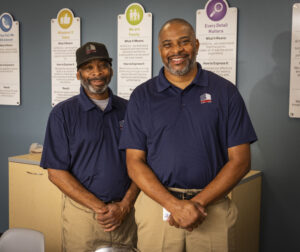
At NSG, we’ve been keeping Cincinnati workplaces clean and healthy since 1988. Our approach to commercial cleaning in Cincinnati, Ohio goes beyond making your office look presentable. Our operations managers conduct biweekly site visits to ensure quality and consistency stay high throughout the winter months when it matters most. We’re available 24/7 by phone if you need to adjust your service or address concerns, because we know illness doesn’t keep business hours. Our advanced tracking systems provide clear documentation of what’s being cleaned and when, giving you confidence that your workplace health protocols are actually being executed.
As a family-owned Cincinnati company, we’ve spent over three decades learning what keeps local workplaces healthy through our challenging winter months. We’re not a national chain following corporate playbooks, we’re your neighbors who understand exactly what Cincinnati offices need to stay productive and healthy year-round.
Ready to reduce sick days and protect your team this winter? Contact NSG today to discuss implementing comprehensive commercial cleaning solutions tailored to your facility’s specific needs.