

Shared workspaces are designed to make better use of space. Desks are shared. Conference rooms turn over throughout the day. Employees come and go on different schedules. Kitchens, restrooms, lobbies, and common areas may serve hundreds of people from different teams. Flexibility works well for the people using the building. It can make things more complicated for the people responsible for keeping it clean.
In a traditional office, cleaning needs are fairly predictable. In a shared environment, the condition of a space can change quickly. A conference room that looked perfect at 8 a.m. may have hosted three meetings by lunch. A breakroom can go from clean to overflowing with trash in a matter of hours. For facility and property managers, that means the cleaning program has to reflect how the building is actually being used.
The Most Visible Areas Aren’t Always the Biggest Areas
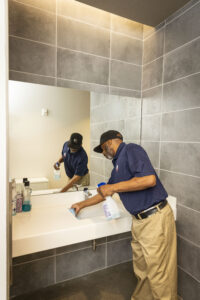
One of the challenges with shared offices is that a relatively small part of the building can have an outsized effect on how people perceive the entire facility.
Think about the areas employees and visitors notice most:
- Restrooms
- Breakrooms and kitchens
- Lobbies and entrances
- Conference rooms
- Shared desks and tables
- Glass doors and partitions
- Coffee stations
- Elevators and common corridors
These aren’t necessarily the largest areas to clean, but they’re often the busiest. A dirty restroom or overflowing breakroom trash can affect someone’s impression of an otherwise well-maintained building. The same goes for fingerprints covering an entrance door right before a client arrives. That’s why square footage alone doesn’t tell you what a facility needs.
Cleaning Frequency Should Follow Traffic
Not every part of a building needs the same level of attention. A private office occupied by one person may be fine with nightly service. A restroom serving an entire floor may need to be checked throughout the day. A conference center could need additional attention before and after large meetings. The cleaning schedule should account for those differences.
A shared-workspace cleaning program might combine routine nightly cleaning with more frequent attention to high-use areas.
Routine services may include:
- Vacuuming and mopping
- Trash and recycling removal
- Dusting
- Restroom cleaning
- Breakroom cleaning
- Conference room cleaning
- Surface cleaning
High-traffic areas may need additional checks for:
- Restroom supplies and overall condition
- Breakroom counters, sinks, and appliances
- Trash and recycling
- Entryways and glass
- Shared tables and workstations
- High-touch surfaces
Then there are services that don’t need to happen every night but still affect the long-term condition of the facility, including carpet cleaning, floor care, interior glass cleaning, upholstery cleaning, high dusting, and periodic deep cleaning. The goal isn’t to clean everything more often. It’s to put the right level of service in the right areas.
Nightly Cleaning May Not Be Enough
For some shared facilities, the traditional model of a cleaning crew arriving after everyone leaves still works. For others, it leaves a gap.
If a building has heavy daytime traffic, a restroom problem at 10 a.m. can’t always wait until that night’s cleaning crew arrives. The same is true for spills, overflowing trash, heavily used kitchens, or a conference area that needs to be reset. This is where daytime cleaning or day porter services can make a difference.
A day porter can address the small issues that develop while a building is occupied, helping maintain the facility between scheduled cleaning services. The right approach depends on the building. A smaller shared office may only need nightly service, while a busy corporate facility may benefit from a combination of day and night coverage.
Consistency Is Where Cleaning Programs Often Struggle
Writing a cleaning scope is relatively easy. Making sure that scope is completed consistently is harder. People call off. Building traffic changes. Events happen. Certain areas require more attention than expected. Small issues can become recurring complaints if no one catches the pattern. That’s why a commercial cleaning program needs more than a task list.
There needs to be a way to answer basic questions:
Was the work completed?
Are the same issues showing up repeatedly?
Does one area need more attention than the original scope anticipated?
Is the cleaning program keeping up with how the facility is actually being used?
Those are management questions, not just cleaning questions.
Accountability Gives Facility Managers Better Visibility
At NSG, we believe cleaning performance should be managed, not assumed. Our commercial cleaning programs combine trained employees with management oversight, inspections, reporting, and technology to help maintain consistent standards.
That information can also help identify patterns. If the same restroom repeatedly needs additional attention, for example, the answer may not be reminding someone to clean it again. The facility may have more traffic than originally anticipated, and the service schedule may need to change.
For facility managers, better visibility means having a clearer understanding of what’s happening throughout the building and being able to address issues before they become recurring problems.
A Cleaning Program Should Change with the Building
Shared workplaces aren’t static. Occupancy changes. Companies add employees. Tenants move in and out. Meeting schedules change. Events bring additional visitors into the building. A space that was lightly used six months ago may now be one of the busiest areas in the facility.
The cleaning program should be able to change with it. That means looking beyond the original scope of work and paying attention to how the facility is performing over time.
For property managers and facility teams, the best cleaning partner isn’t simply the company that can provide a crew each night. It’s a company that understands the building, communicates when something isn’t working, and adjusts when the facility’s needs change.
Commercial Cleaning Services in Cincinnati
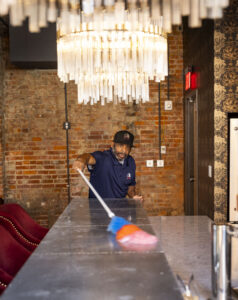
NSG has provided commercial cleaning services to businesses throughout Greater Cincinnati for more than 35 years.
We clean corporate offices, commercial properties, manufacturing facilities, warehouses, healthcare-related facilities, and other workplaces with cleaning programs built around the needs of each property.
Our approach combines professional cleaning teams, local management oversight, technology, inspections, and accountability to help our clients maintain consistent facility standards. Contact us today for a free, no-obligation commercial cleaning assessment and quote.